

Making an Impact in Thailand and Beyond
A shared vision of the future for the ASEAN region through educational action learning opportunities and convenings with business leaders and academics
For over 10 years, MIT Sloan School of Management and Bangkok Bank have been working to introduce special programs and projects that can benefit Thailand — and the broader ASEAN region — to contribute to its sustainable advancement. It is an inspiring example of how two organizations can collaborate to produce positive change in a region.
MIT Sloan’s Action Learning projects set the stage
In 2009, as a pioneer in Action Learning, MIT Sloan launched a new Global Entrepreneurship Lab project in Thailand. MIT Sloan students had the opportunity to work on projects at top Thai organizations in the region, like Thai Airways and Bangkok Bank. Additionally, a summer internship program was established in 2015, which continues to this day.
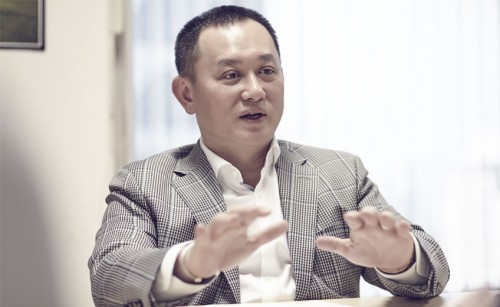
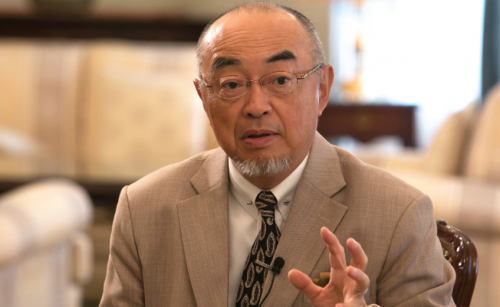
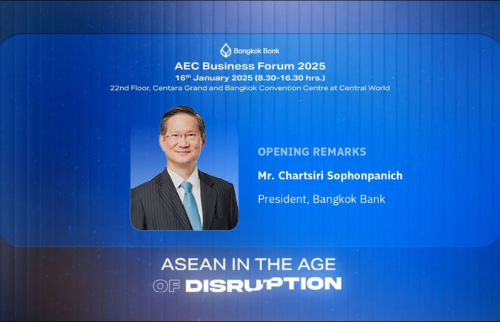
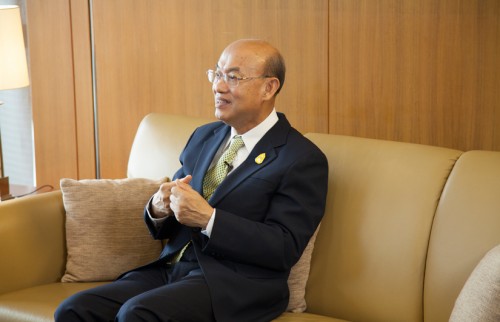
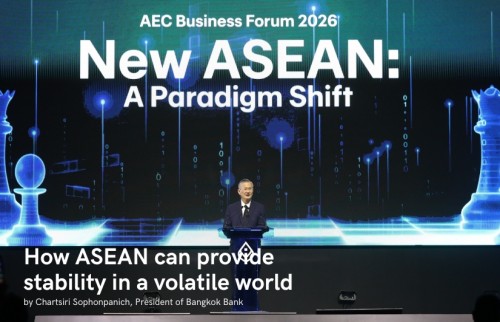
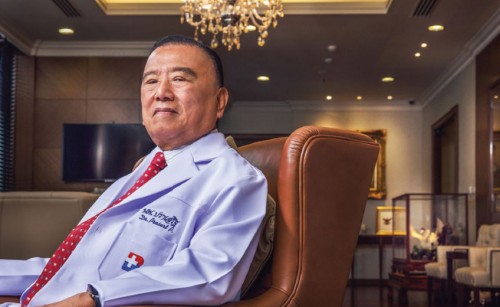
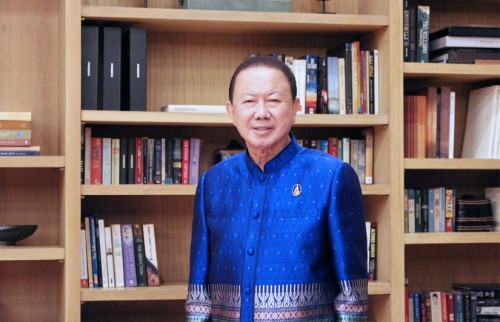
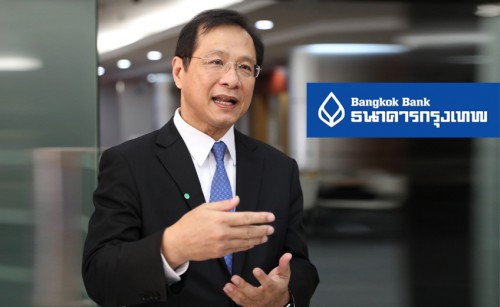
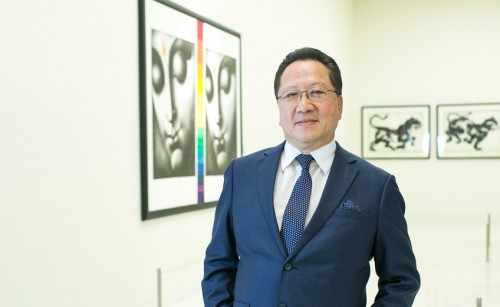
“These Action Learning projects gave students the opportunity to put the knowledge they had gained in the classroom at MIT Sloan into actual business situations and have a real world impact on organizations and companies in the region,” president of Bangkok Bank Chartsiri Sophonpanich said.
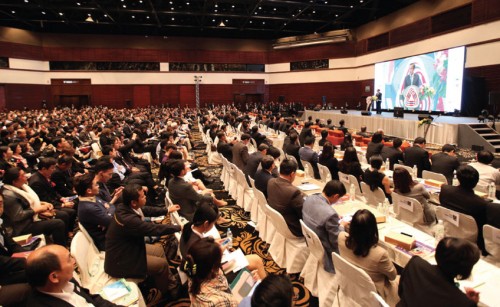
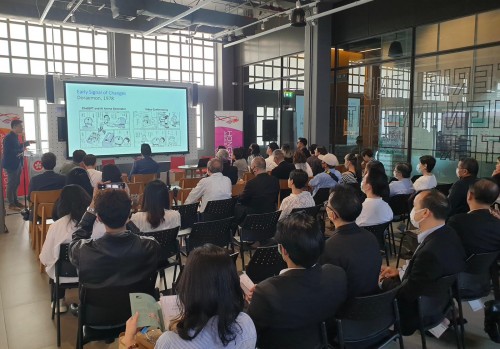
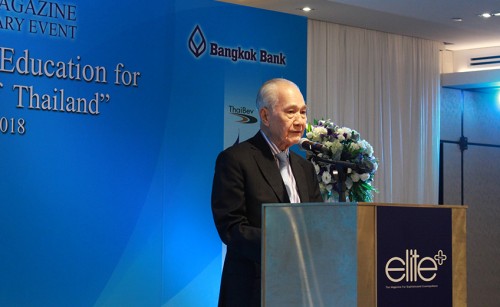
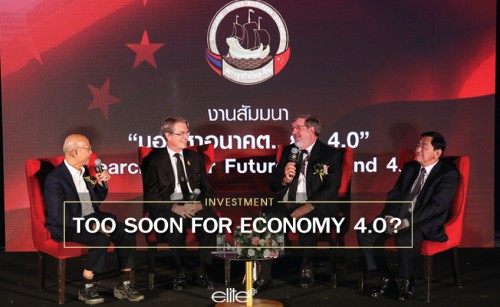
Later, in 2018, MIT Sloan expanded its Action Learning opportunities in a project with Sasin School of Management at Chulalongkorn University in Bangkok. A conference with MIT Sloan professors and other executives and academics was held — the MIT Sloan-Sasin Action Learning Educating Leaders to Drive Real Change — to discuss how Action Learning is being used to shape education, improve leadership practices in corporations, and drive social change.
Also in 2018, Bangkok Bank and MIT Sloan hosted a regional conference on sustainable cities, Building Resilient Cities for the Future. This conference was designed to share strategies to develop policies to transform urban centres into smart, more liveable cities, whether it be Bangkok, in the Eastern Economic Corridor or elsewhere in the ASEAN region.
Since 2002, more than 850 students have participated in experiential learning opportunities through over 200 MIT Sloan Action Learning projects across seven graduate-level lab courses, hosted by over 150 companies across Cambodia, Indonesia, Malaysia, the Philippines, Singapore, Thailand, and Vietnam. Through these programs, faculty and students convene around topics such as fintech, aging and the economy, and more — setting the stage for a new opportunity for collaboration.
A new hub for collaboration and convening in the region
MIT Sloan recognized opportunities to build on activities already established in the region, and to deepen engagement with other academic institutions, organizations, business leaders and entrepreneurs. Examples of these activities include Global Programs’ initiatives such as MIT Regional Entrepreneurship Acceleration Program, IDEAS Asia Pacific program developed in collaboration with United in Diversity, and the MIT Sloan Visiting Fellows Program. Educational experiences would continue to have an impact by strengthening innovation-driven entrepreneurial ecosystems in the region and equipping leaders with the knowledge, skills, and frameworks to transform their collective leadership style.
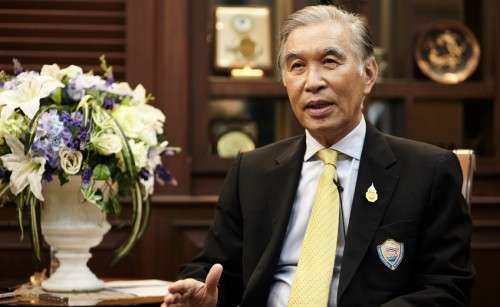
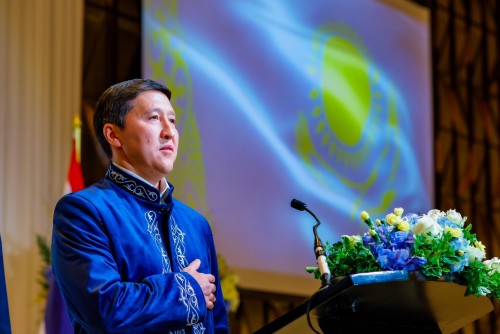
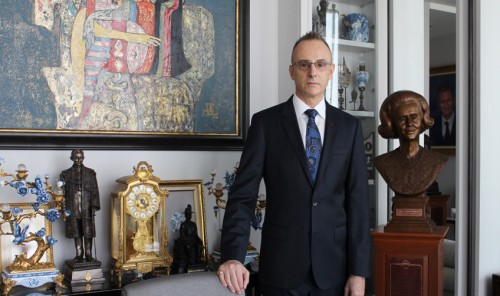
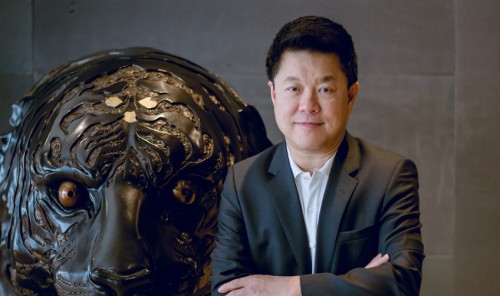
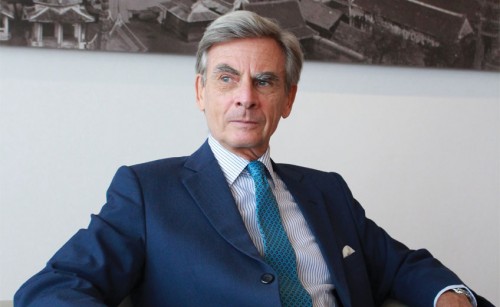
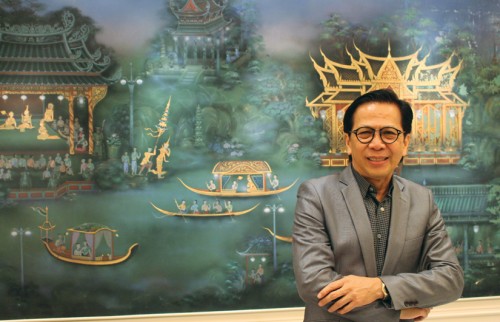
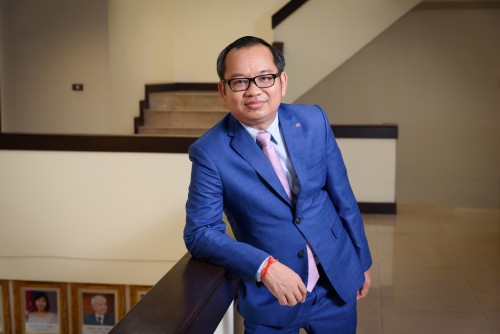
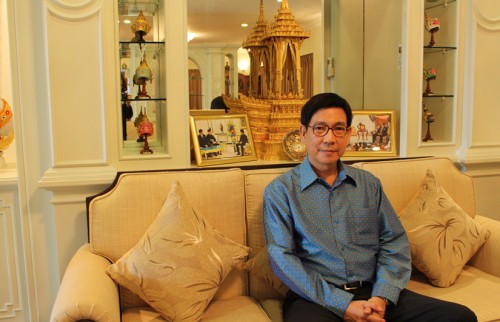
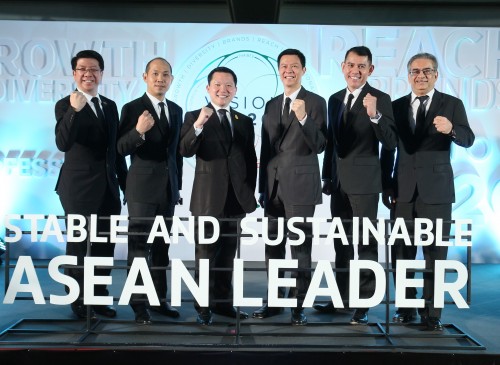
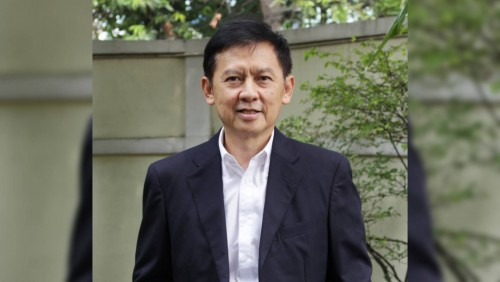
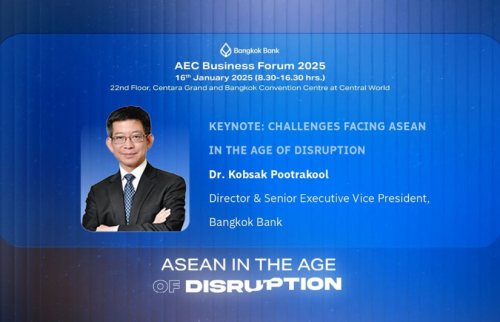
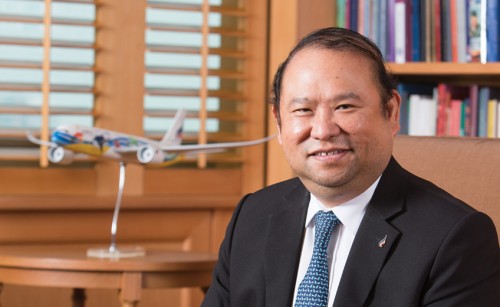
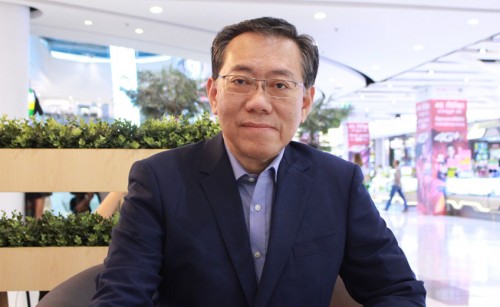
With over 1,900 alumni, MIT continues to grow in the ASEAN region. Two such individuals, Mr Chatsiri, Bangkok Bank President, and Dr Kobsak Pootrakool, Bangkok Bank’s Director and Senior Executive Vice President shared a vision alongside MIT Sloan for providing opportunities to the ASEAN region. Mr Chatsiri earned his master’s degrees in chemical engineering and management from MIT and MIT Sloan while Dr Kobsak holds a PhD.in macroeconomics and international economics from MIT.
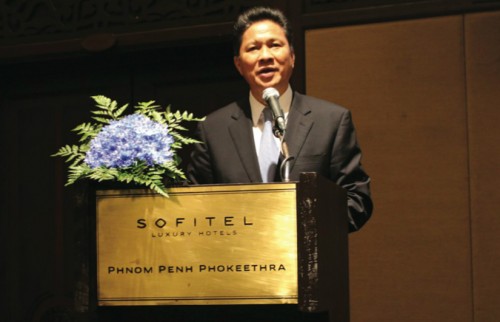
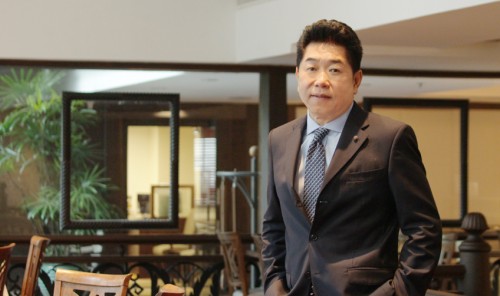
“We feel that much of our success in life and banking can be attributed to MIT,” said Mr Chatsiri, “And we saw the way MIT Sloan was strengthening existing collaborations and building a network of new opportunities that would have an impact across the region. We recognized the impact that Bangkok Bank could have in these efforts as well.”
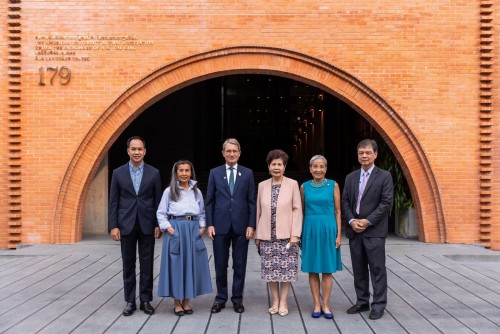
Mr Chatsiri was very active in the MIT alumni association, organizing events and seminars with faculty members as guest speakers to keep Thai business leaders and academics abreast of the latest developments, particularly in research and development in management and technology. Bangkok Bank is a donor that had been working with MIT Sloan in the region since 2014, and in October 2024, alongside other donors, MIT Sloan opened the MIT Sloan ASEAN Office (MSAO) to foster collaboration and expand educational opportunities for Thailand and the ASEAN region.
A look at MSAO’s activities and accomplishments
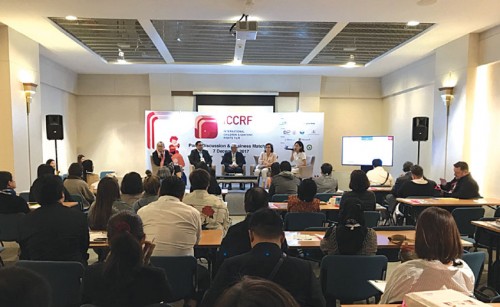
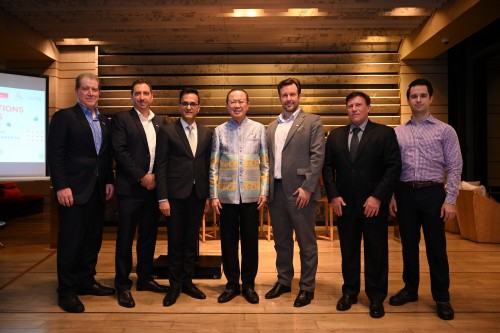
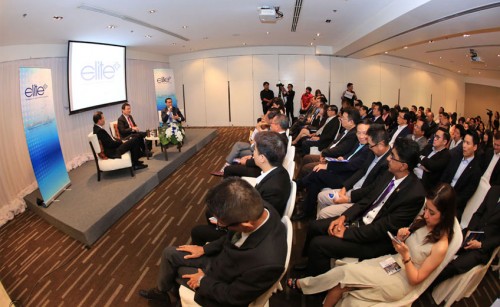
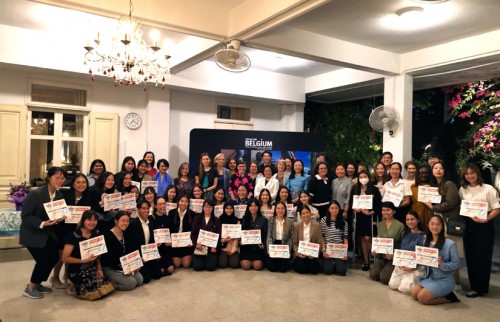
One of the key roles of MSAO is to serve as a convenor of expertise, leadership and research in the region, hosting public forums, conferences and seminars with individuals from across the region. In late October 2024, MSAO hosted the conference “Beyond Years: The Future of Longevity”, to explore the challenges and opportunities presented by an aging society while examining themes such as Imagining Wellbeing for Longevity and Designing the Context for Longevity and Financing Longevity. Seven MIT professors spoke at the conference, together with experts in their fields.
MSAO has also held conferences dealing with AI and business and disaster management, and in the near future, will be hosting conferences on topics such as startup ecosystems and climate change in order to share knowledge and help people in the ASEAN region, deepening their understanding of new frontiers and innovations — for example, in areas such as food and agriculture, water management and soil contamination, AI, biotechnology and medical research.
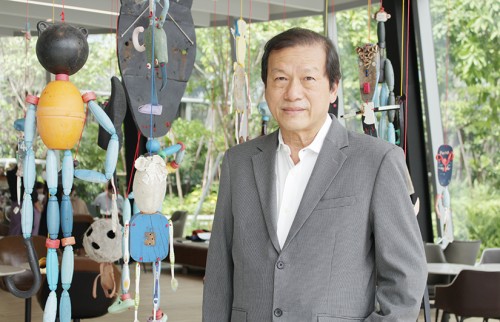
“Across Thailand, and the region, I see a need for assistance and new innovations especially in water management,” Dr Kobsak said. “Thailand records substantial rainfall, but doesn’t always manage this vital resource as effectively as it should. An MIT team has been working with researchers from Thai universities, the Hydro-Informatics Institute (HII), a public organization under the Ministry of Higher Education, Science, Research and Innovation, and other relevant government agencies to collect data in all Thai provinces and produce research studies that can be used to develop guided policies to best control and satisfy the growing demands in agriculture, industry and public consumption.”
Looking toward the future
Through their activities with MSAO, MIT Sloan is also engaged in developing and offering new programs in the ASEAN region.
“Thailand has good researchers, but there are not enough and they need help to become better. Just think, Thailand currently has around 10,000 researchers, which might sound like a lot, but a company like Huawei, which employs as many as 80,000 personnel, has 50,000 involved in research and development,” Dr Kobsak said.
There was a recent expansion of MIT Sloan’s unique Leaders for Global Operations (LGO) program in collaboration with Chulalongkorn University. Chula-LGO is a two-year master’s program offering an interdisciplinary learning experience. Students will earn a Master of Engineering degree from Chulalongkorn University and an MBA from Chulalongkorn Business School. The curriculum combines rigorous academic coursework with practical experience, including a two-week study period at MIT and a six-month research and internship project within the industrial sector. Graduates of the Chula-LGO Program will receive a certificate from MIT LGO. The program structure ensures that graduates are well-prepared to tackle real-world challenges.
_974974228.jpg)
“So, we need to continue to educate and develop Thai researchers for both the public and private sectors. MIT students are known to be highly competitive and love a good contest,” Dr Kobsak reminisced. “When I was a PhD candidate some years ago, robotics was starting to capture much interest, and so MIT organised competitions to encourage students to push themselves to develop new innovations and advanced inventions that push the boundaries in this field. Bangkok Bank is planning to organize competitions for students around the region to participate.”
Since MSAO has been established, the office has been continuously hosting MIT professors and researchers. “Thus, Thailand, as well as the region, is definitely benefitting from the establishment of this Bangkok office,” Dr Kobsak said. “From convenings, relationship building and deepening connections across the region in business, academia and the public sector, Bangkok Bank and MIT Sloan are assisting with the sustainable development of the country, economically, environmentally and socially,” he concluded.